
One of the small pleasures of driving in America is something most Americans probably take for granted: the ability to turn right at a red traffic light. Every time I return to New Zealand, I’m reminded that Kiwis don’t enjoy the equivalent freedom to turn left on red. Curious about the potential benefits, I asked ChatGPT to research the American experience, examine available New Zealand traffic data, and develop a reasonable estimate. The result? Approximately 1.6 million driver-hours saved annually, potentially considerably more. Less wasted fuel, less frustration, and more time for work, family, or simply doing whatever we enjoy.
Living Better Than Kings
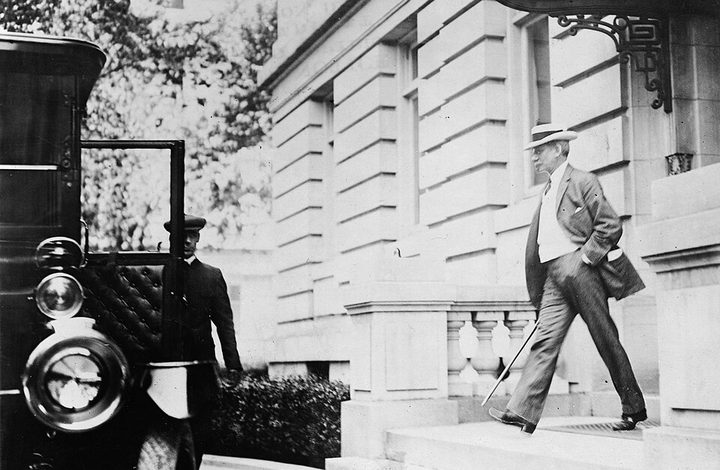
For most of human history, many of life’s greatest conveniences were available only to kings, aristocrats and the extraordinarily wealthy. They had chauffeurs, servants, musicians, exotic foods and access to vast collections of knowledge. Today, ordinary people have machines that wash their clothes and dishes, music on demand, supermarkets filled with food from around the world and more information in their pockets than any monarch could have imagined. Economic progress hasn’t made everyone equally rich. But the free market has repeatedly done something remarkably egalitarian: taken privileges that once distinguished the very wealthy and made them ordinary. Yesterday’s luxury becomes today’s convenience and, eventually, tomorrow’s expectation.
Seattle Spent $99 Million on Bike Infrastructure. Bike Commuting Fell.
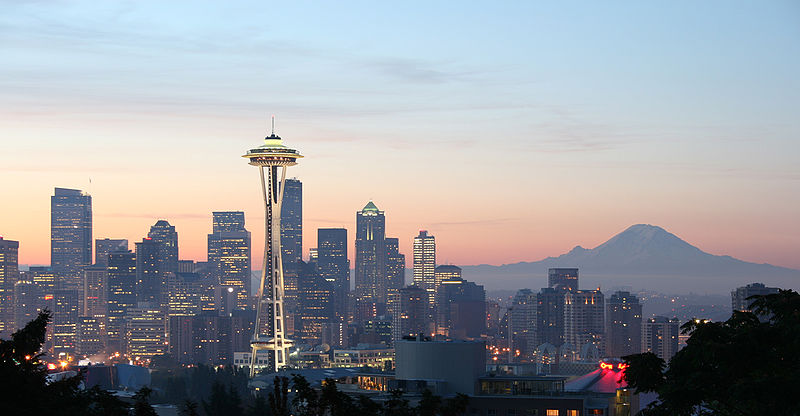
Seattle spent roughly $99 million on bicycle infrastructure over a decade, adding more than 76 miles of bike lanes and greenways. Yet between 2014 and 2023, while the city’s population grew about 13 percent, the number of people commuting by bicycle fell from roughly 14,157 to 12,600. Bike commuting’s share of commuters dropped from 3.7 percent to 2.7 percent. Portland saw an even steeper decline. It’s a striking reminder that infrastructure spending is an input. What matters is whether people actually change their behavior as intended.
Still Performing: Jim Henson, Kyle Busch, and the Danger of Powering Through

Jim Henson and Kyle Busch lived in different worlds, but their deaths share a haunting pattern: two elite performers, still creating and competing, apparently trying to push through serious illness until it became catastrophic. Henson was only 53. Busch was just 41 and had won a race while reportedly already unwell. Their stories are tragic reminders that the very toughness we admire can become dangerous when the body is warning us to stop.
“Te Reo Māori Only” Sounds Noble — But Is It Sustainable?

A new “te reo Māori only” cafe in Rotorua has generated enormous media attention and praise from activists and cultural commentators. But from a business perspective, it may be making a fatal mistake: deliberately shrinking its customer base. Hospitality businesses succeed by making customers feel comfortable, welcomed and included — not anxious about saying the wrong thing or failing a cultural test. We’ve seen similar experiments before, from Melbourne’s feminist “man tax” cafe Handsome Her to Los Angeles’ highly ideological Sage Regenerative Kitchen. Both became media sensations. Neither proved sustainable. In hospitality, symbolism and applause rarely pay the bills for long.
- 1
- 2
- 3
- …
- 37
- Next Page »