
One of the small pleasures of driving in America is something most Americans probably take for granted: the ability to turn right at a red traffic light. Every time I return to New Zealand, I’m reminded that Kiwis don’t enjoy the equivalent freedom to turn left on red. Curious about the potential benefits, I asked ChatGPT to research the American experience, examine available New Zealand traffic data, and develop a reasonable estimate. The result? Approximately 1.6 million driver-hours saved annually, potentially considerably more. Less wasted fuel, less frustration, and more time for work, family, or simply doing whatever we enjoy.
Living Better Than Kings
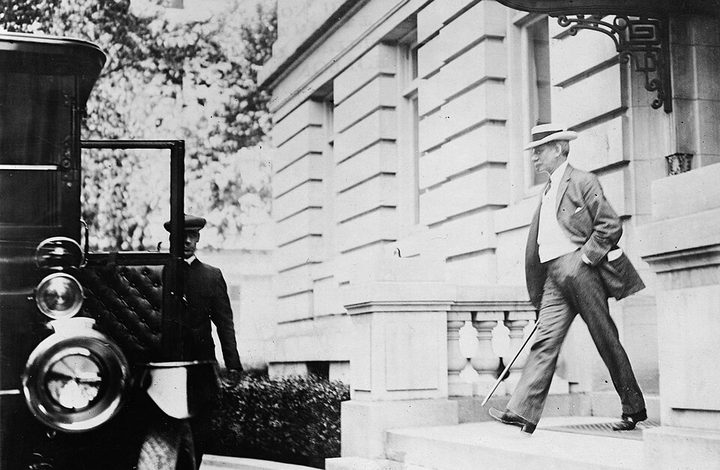
For most of human history, many of life’s greatest conveniences were available only to kings, aristocrats and the extraordinarily wealthy. They had chauffeurs, servants, musicians, exotic foods and access to vast collections of knowledge. Today, ordinary people have machines that wash their clothes and dishes, music on demand, supermarkets filled with food from around the world and more information in their pockets than any monarch could have imagined. Economic progress hasn’t made everyone equally rich. But the free market has repeatedly done something remarkably egalitarian: taken privileges that once distinguished the very wealthy and made them ordinary. Yesterday’s luxury becomes today’s convenience and, eventually, tomorrow’s expectation.
Seattle Spent $99 Million on Bike Infrastructure. Bike Commuting Fell.
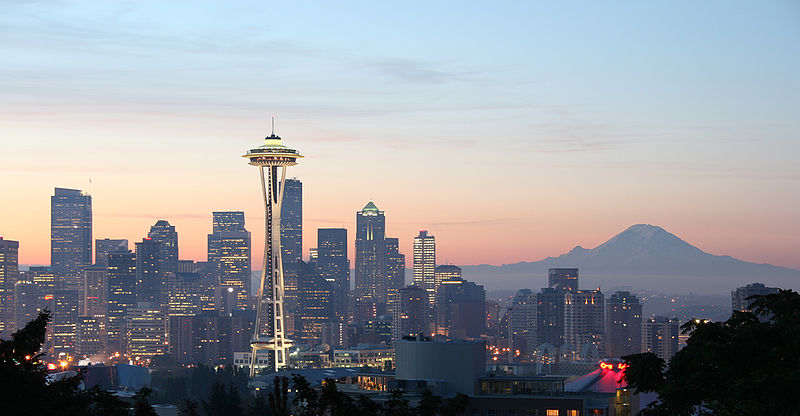
Seattle spent roughly $99 million on bicycle infrastructure over a decade, adding more than 76 miles of bike lanes and greenways. Yet between 2014 and 2023, while the city’s population grew about 13 percent, the number of people commuting by bicycle fell from roughly 14,157 to 12,600. Bike commuting’s share of commuters dropped from 3.7 percent to 2.7 percent. Portland saw an even steeper decline. It’s a striking reminder that infrastructure spending is an input. What matters is whether people actually change their behavior as intended.
Alienation and the Failure of MMP

More than a quarter of New Zealanders now feel alienated from the political system, and nearly half want it fundamentally changed. The usual explanation points to economic reform, but that misses the deeper issue. New Zealand changed its political system in the 1990s, promising greater representation and trust. If alienation is rising despite that, it is time to ask whether MMP has delivered on its core promise — and whether it is time to revisit the choice.
America broke up with New Zealand years ago – we just seem not to have noticed

New Zealand’s foreign policy debate is asking the wrong question. The issue is not whether it is time to “break up” with America, but whether we have noticed that the relationship, in its old form, ended long ago. For decades, we have mistaken rhetoric for strategy and independence for capability. The result is a country that speaks loudly but carries little weight — and is increasingly treated accordingly by those who matter most.
- 1
- 2
- 3
- …
- 18
- Next Page »